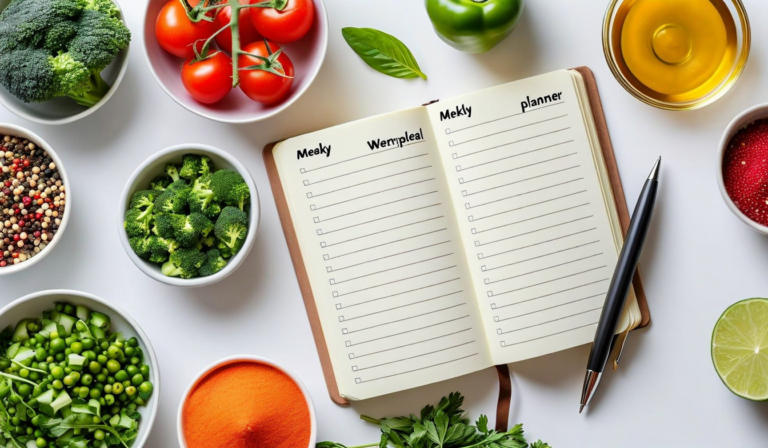
Every weeknight, millions of families face the same question at 5:30 p.m.: "What's for dinner?" It sounds trivial — until you've lived through the 45-minute cascade that follows. Someone checks the fridge. Something is frozen. Something expired. The kids are asking for different things. Homework is still undone. It's the most reliably chaotic moment of the family day, and it happens 260 times a year.
Meal planning is the obvious solution. Most families know it. Most families also know how hard it is to actually stick to a plan when life is moving at full speed. That's where Hearth comes in — not just as a calendar, but as a whole-family coordination layer that makes the plan visible, the prep manageable, and the execution something the whole household can participate in.
Why Meal Planning Breaks Down (and How to Fix It)
Most meal planning apps are designed for one person. They live on a single phone. Only one parent sees the plan. Only one parent does the shopping. Only one parent knows that Tuesday is pasta night. Everyone else is still operating on incomplete information, which means the plan collapses the moment that one person isn't available, or forgets, or simply doesn't have time.
Shared visibility is the difference between a plan that works and one that quietly dies by Wednesday. When your whole family can see the week's meals on a central display, a few things shift:
- Kids know what's coming and stop negotiating at 6 p.m.
- The other parent can handle dinner without a briefing call.
- Older kids can start prep steps independently.
- Shopping trips become purposeful rather than reactive.
This is exactly what Hearth's meal planning module is built for. You set the week's meals once — on Sunday evening, or whenever works for your family — and the plan is visible to everyone on the household display from that moment forward.
Setting Up Your Family's Meal Rhythm
The best meal systems aren't rigid — they're predictable enough to reduce friction without eliminating flexibility. Most Hearth families find that a loose weekly structure works better than trying to plan every meal with precision. Here's a framework that holds up in practice:
The Weekly Anchor Method
Pick two or three "anchor nights" that repeat every week — the nights your family has a reliable standing meal. Maybe it's pizza on Fridays, stir-fry on Tuesdays, and soup on Thursdays. These anchors require almost no planning because everyone already knows what's happening. They're mental defaults that free up your energy for the more variable nights.
Layer in two planned "effort nights" — meals that require some prep but that you've chosen in advance based on what's on sale, what's in season, or what the family has been asking for. The remaining nights can flex based on leftovers, takeout, or whatever needs to be used before it turns.
Enter all of this into Hearth on Sunday. The display updates immediately. Your week's food is accounted for.
Involving Kids in Meal Planning
One of the most effective things you can do for family meal dynamics is give children agency in the planning process — even limited agency. Hearth families who use the meal planning module often let each child "own" one dinner choice per week. The rule: you choose, you help prepare.
This does several things. It reduces the "I don't want that" response at the table because kids don't reject meals they chose themselves. It builds early cooking skills. And it creates a small weekly ritual — the Sunday planning conversation — that keeps food from being a daily battleground.
Meal Prep That Actually Gets Done
Planning and prep are different skills. You can have a perfect weekly meal plan and still find yourself chopping vegetables at 6:15 p.m. on a school night. The prep bottleneck is where most family meal systems break down.
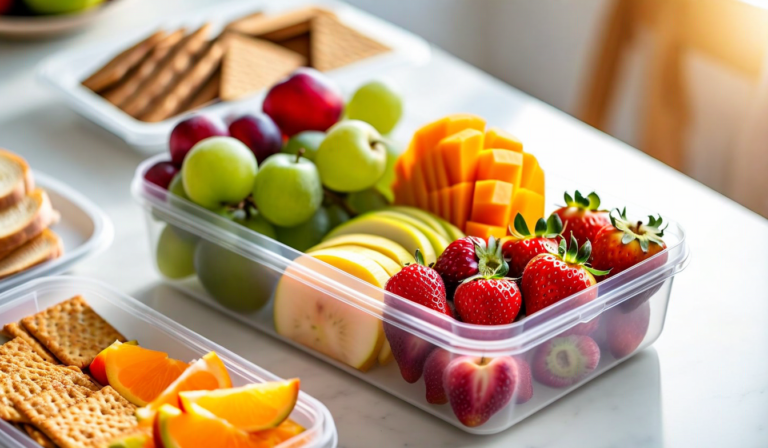
Hearth's routine builder can help here in ways that aren't immediately obvious. In addition to morning and bedtime routines, you can set up a simple "Sunday prep" or "weeknight prep" task checklist that appears on the display at the right time. Items like "defrost Tuesday chicken," "portion snacks for the week," and "check Wednesday's recipe" can be broken into small steps and distributed across the weekend rather than compressed into a single frantic Sunday afternoon session.
When prep tasks are visible on the household display — rather than living only in one person's head — other family members can pitch in without being asked. A teenager can see "defrost chicken" on the display at 4 p.m. and do it before you get home. That's not a miracle. That's ambient coordination working as it should.
Handling Picky Eaters Without Losing Your Mind
Let's talk about the variable that breaks more meal plans than busy schedules do: the picky eater. Whether it's a toddler going through a beige-food phase or an older child with genuine texture sensitivities, picky eating turns meal planning from a logistics problem into a negotiation problem.
A few strategies that Hearth families have found effective:
- Build in opt-outs, not alternatives. Plan one component of each dinner that a picky eater will reliably eat — plain rice, plain pasta, fruit. The rest of the meal is for everyone. This isn't a separate kid menu; it's a safety net built into the main plan.
- Use the "new food" slot deliberately. Introduce one new food per week, visible on the display, presented as an experiment rather than a requirement. Kids handle novelty better when it's expected and contextualized.
- Let the display do the announcing. When a child sees that Tuesday is pasta night on the display, the information isn't coming from a parent — it's just a fact of the week. This small framing difference reduces the negotiation dynamic significantly.
Shopping Smarter with a Shared Meal Plan
A visible weekly meal plan makes grocery shopping dramatically more efficient. You know exactly what you need. You stop buying things speculatively. You stop letting produce go bad because you weren't sure what you'd do with it.
Most Hearth families do their shopping list directly from the week's planned meals. Some use a shared note linked to the display; others have built the habit of simply walking through the week's meals on Sunday morning and writing down what's missing. Either way, the meal plan is the foundation. The shopping list is just derived from it.
Over time, this discipline also reduces food waste, which adds up financially more than most people expect. Families who plan meals consistently spend less per week on groceries even if they're cooking the same number of meals — because they're buying with intention rather than filling a cart with what looks good.
Ready to end the 5:30 p.m. chaos? Hearth's meal planning module is included with every subscription. Set up your first week's meals in minutes — visible on your family display before dinner tonight.
Try Hearth FreeThe Bigger Picture: Food as a Family System
Meal planning isn't really about food. It's about one of the most repeated daily decisions your family makes, and whether that decision runs on intention or improvisation. When it runs on improvisation, you're spending cognitive energy and emotional bandwidth every single day. When it runs on a system, that energy goes somewhere else — toward the conversation at the dinner table, toward actually tasting the food, toward being present with the people you're eating with.
Hearth is designed to move as many of these repeated, logistical decisions into the background as possible. The meal planner is one part of that. But it works best when it's connected to the rest of the family's shared view of the week — integrated with the calendar, the routines, the reminders. When the plan is visible to everyone, it stops being one person's job and becomes the family's default. That's a different kind of home.